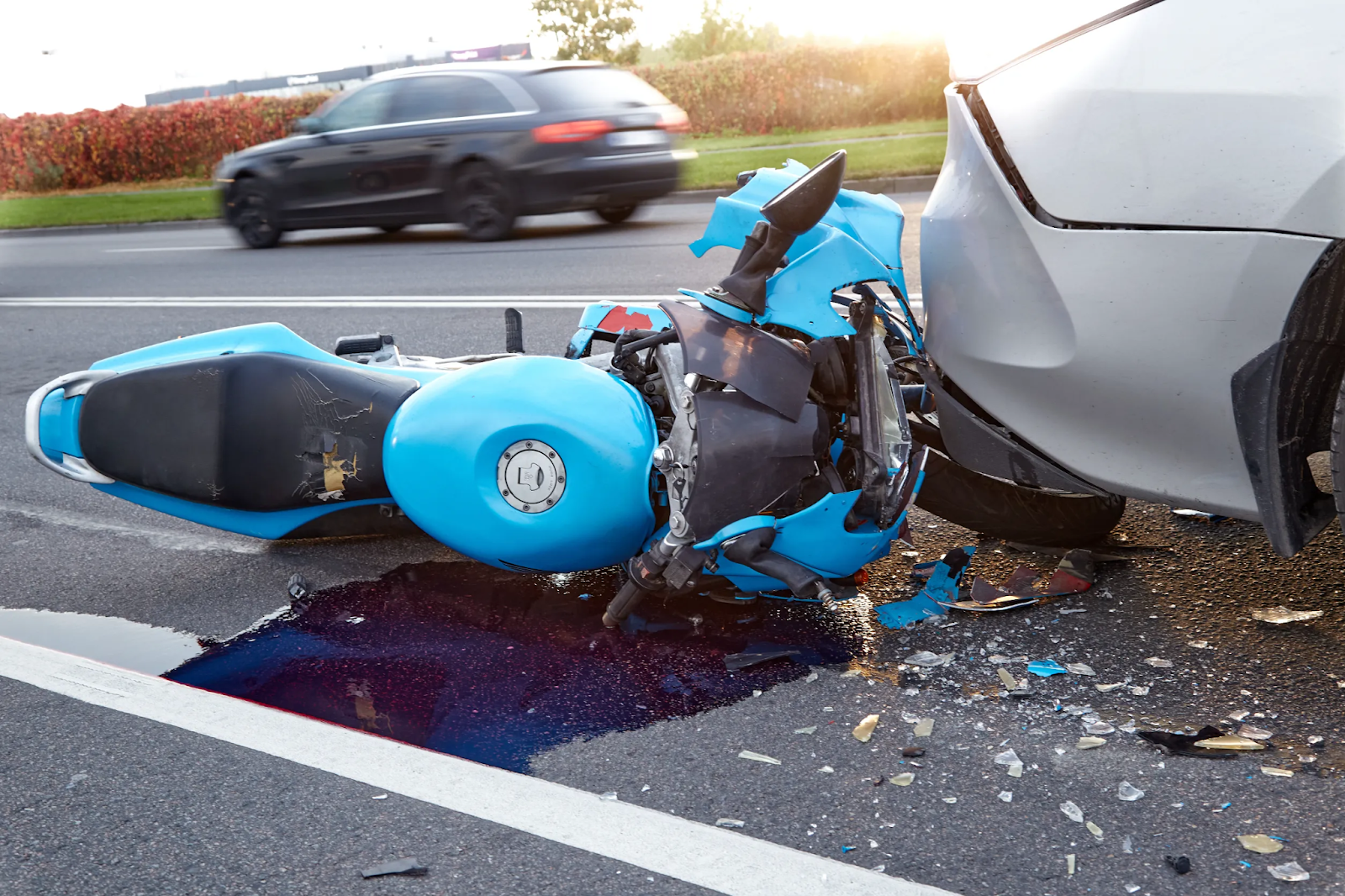
A pedestrian is injured or killed every day while crossing streets, sidewalks, and parking lots. National Pedestrian accident data shows disturbing patterns. Distracted motorists and inadequate visibility cause a majority of collisions. The majority of injuries happen in situations where targeted prevention could slash injury rates substantially. Knowing what triggers these crashes helps walkers and motorists take concrete action to prevent needless harm.
Careless injuries require legal help. A pedestrian accident injury law firm represents victims who face medical expenses and months of rehabilitation. These lawyers investigate the events, collect evidence, and pursue compensation. Their knowledge matters most when insurers argue over who’s at fault or propose lowball settlement figures.
Driver distraction patterns
Cars today pack in more screens and interruptions than anyone imagined twenty years ago. Phones yank attention off roads exactly when it matters most. Pedestrians stepping into marked crossings are missed by drivers typing messages. In ordinary driving, people become distracted and relax.
Prevention demands attacks from multiple angles:
- Strict enforcement – Police running concentrated campaigns with actual fines create real deterrence instead of hollow warnings that drivers ignore
- Technology solutions – Programs that shut down alerts once cars exceed walking speed cut down on temptation without requiring willpower
- Public awareness – Showing reconstructed crashes where three seconds looking away caused permanent disability hits harder than dry numbers
- Cultural shifts – Turning phone use behind the wheel into something shameful took years, but eventually stuck with drunk driving campaigns
Poor visibility conditions
Darkness and bad weather constantly hide pedestrians from drivers. Evening hours from 6 PM through 9 PM produce vastly more crashes as everyone adjusts to daytime sight lines. Rain cuts visibility while simultaneously stretching stopping distances. Fog, snow, and glare from the setting sun make things worse.
Pedestrians dressed in black at night practically disappear until they’re right in front of cars. Many think drivers spot them when actual sight distance runs only a few yards. Reflective strips, bright clothes, and small lights expand detection range. Regardless of what drivers do, walkers reduce their risks by increasing visibility. Pedestrian-triggered flashing signals and more reflective paint on crosswalks improve visibility.
Speed-related collisions
If you get hit by a car, you either live or die. Around 95 in 100 pedestrians survive a 20 mph collision. At 40 mph, more than 20 survive. Postings are good, but enforcement is patchy. Drivers commonly run 10-15 mph over limits, especially on broad roads that feel safe at higher speeds despite people crossing.
Physical changes to streets work better than posted signs:
- Tighter lanes force slower driving through actual physical squeeze points
- Speed bumps make speeding hurt the car and driver unavoidably
- Raised crosswalks bring pedestrians up to the driver’s eye level
- Extended curbs cut crossing distances while opening up sight angles
Bad city planning builds pedestrian death traps. A wide, high-speed road slices through neighbourhoods. Too far apart, crosswalks force midblock dashes. Changing traffic signals too quickly strands slower walkers. Crash records spell out exactly where design kills people over and over. In shared zones, smart engineering slows vehicles and puts pedestrians first. It’s best to use multiple fixes instead of just one.